The People
The Pennsylvania Dutch are not Dutch. They are descendants of German-speaking refugees who arrived in colonial Pennsylvania between 1683 and the 1820s — and within a century they made up nearly half the colony's population.
A Note on the Name: Why "Dutch"?
A common myth holds that "Pennsylvania Dutch" is a mistranslation of the German word Deutsch, meaning "German." The truth is more interesting. In earlier centuries, the English word "Dutch" was used loosely to describe people from both Germany and the Netherlands, often with a folksy, rural connotation. So when colonial English speakers called these German-speaking settlers "the Pennsylvania Dutch," they were not making a mistake — they were using the word the way it was commonly used at the time.
Many of the settlers had also departed Europe through the Dutch port of Rotterdam, which may have reinforced the label. Modern scholars often prefer the term Pennsylvania German, but "Pennsylvania Dutch" remains the most widely used name, and the speakers themselves use both.
Origins in Europe
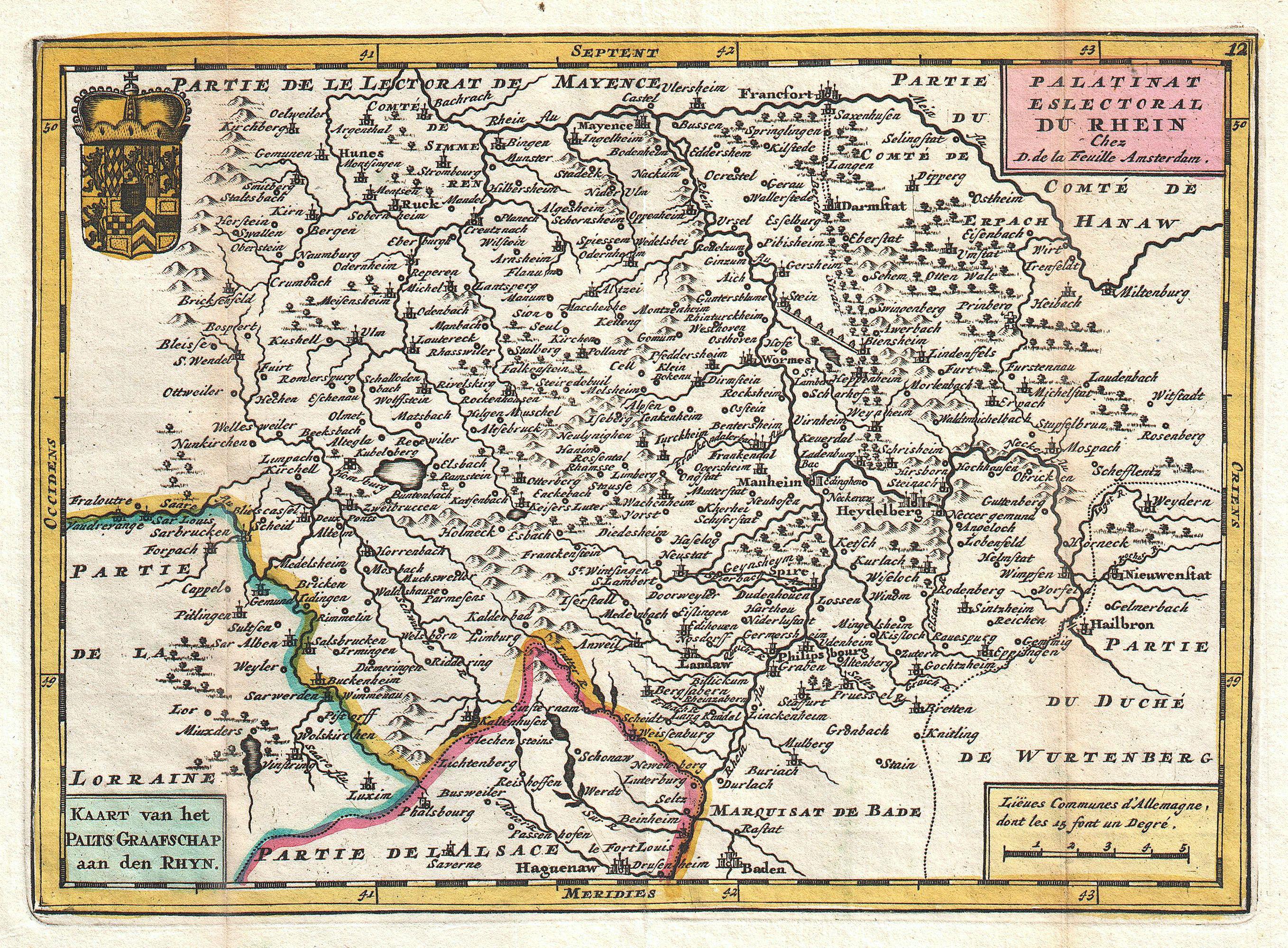
The Pennsylvania Dutch are descendants of German-speaking immigrants who came to colonial America between roughly 1683 and the 1820s. Most of them came from a region of southwestern Germany called the Palatinate (German: Pfalz), although smaller numbers came from Switzerland, Alsace-Lorraine in France, Baden-Württemberg, Hesse, and the Rhineland.
These regions were ravaged by war, famine, and religious persecution in the 17th and 18th centuries. Many of the migrants were religious minorities — Mennonites, Amish, Dunkers (German Baptists), Schwenkfelders, and Moravians — who faced harassment from Catholic and Lutheran state churches alike. Some, particularly the Anabaptists, were ethnically Swiss but had fled north into the German Palatinate generations earlier, where they picked up the local Palatine German dialect that would become the foundation of Pennsylvania Dutch.
Settlement in Pennsylvania
The first group arrived in 1683 when Francis Daniel Pastorius led thirteen Mennonite and Quaker families to a tract of land near Philadelphia, founding Germantown. They had been drawn to William Penn's colony by his promise of religious tolerance.
Migration accelerated sharply after 1727, this time bringing larger numbers of Lutherans and members of the German Reformed Church. By the time of the American Revolution, the Pennsylvania Germans numbered roughly 100,000 people — more than a third of Pennsylvania's entire population. Their farming skills helped turn southeastern Pennsylvania into one of the richest agricultural regions in the colonies.
"Why should Pennsylvania, founded by the English, become a colony of aliens, who will shortly be so numerous as to Germanize us instead of us Anglifying them?"
— Benjamin Franklin, voicing a worry that turned out to be unfounded.
Two Branches: Plain and Fancy
Over time, the Pennsylvania Dutch divided into two broad cultural groups. The distinction matters enormously for the rest of this story, because the two groups would have very different linguistic fates.
The "Plain Dutch"
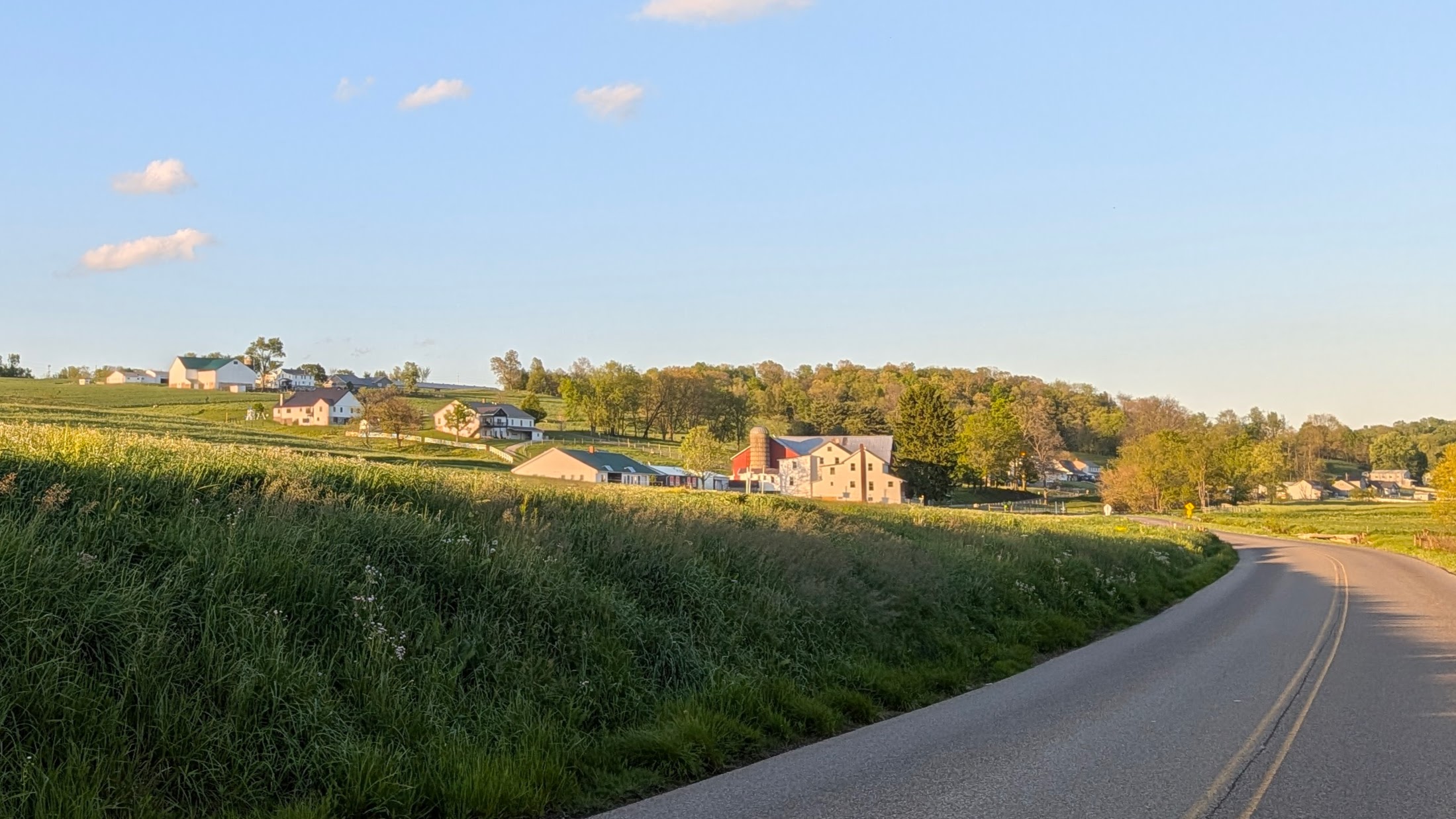
Old Order Amish, Old Order Mennonites, and related Anabaptist groups who preserved a deliberately simple, separated way of life. They wear plain clothing, restrict the use of modern technology, travel by horse and buggy, and conduct daily life within tight-knit religious communities.
The "Fancy Dutch"
Lutherans, Reformed Christians, and others who participated more fully in mainstream American life while still maintaining their language and folk culture at home. Sometimes called "Church Dutch" or nonsectarians, they were once the majority of Pennsylvania Dutch speakers and produced most of the dialect's written literature. Today they have largely assimilated linguistically — most younger Fancy Dutch grew up speaking only English.
The Civil War and After
During the Civil War, entire Pennsylvania regiments were composed largely of Pennsylvania Dutch speakers — including a famously German-speaking K Company of the 47th Pennsylvania Infantry. Soldiers reportedly used the term "English" to describe anyone who didn't speak their language, regardless of actual nationality.
It was after the war, and especially during the Battle of Gettysburg, that growing recognition of the Pennsylvania Dutch as a distinct American ethnic group began. They would go on to fight for their cultural identity through the late 19th and early 20th centuries, especially as anti-German sentiment intensified during the World Wars.
Now that we know who the Pennsylvania Dutch are, let's look at the language they made.